
Danielle Tan
Chief Operating Officer
Step-by-step HACCP hazard analysis guide to boost compliance, prevent recalls, and meet ISO 22000 compliance.

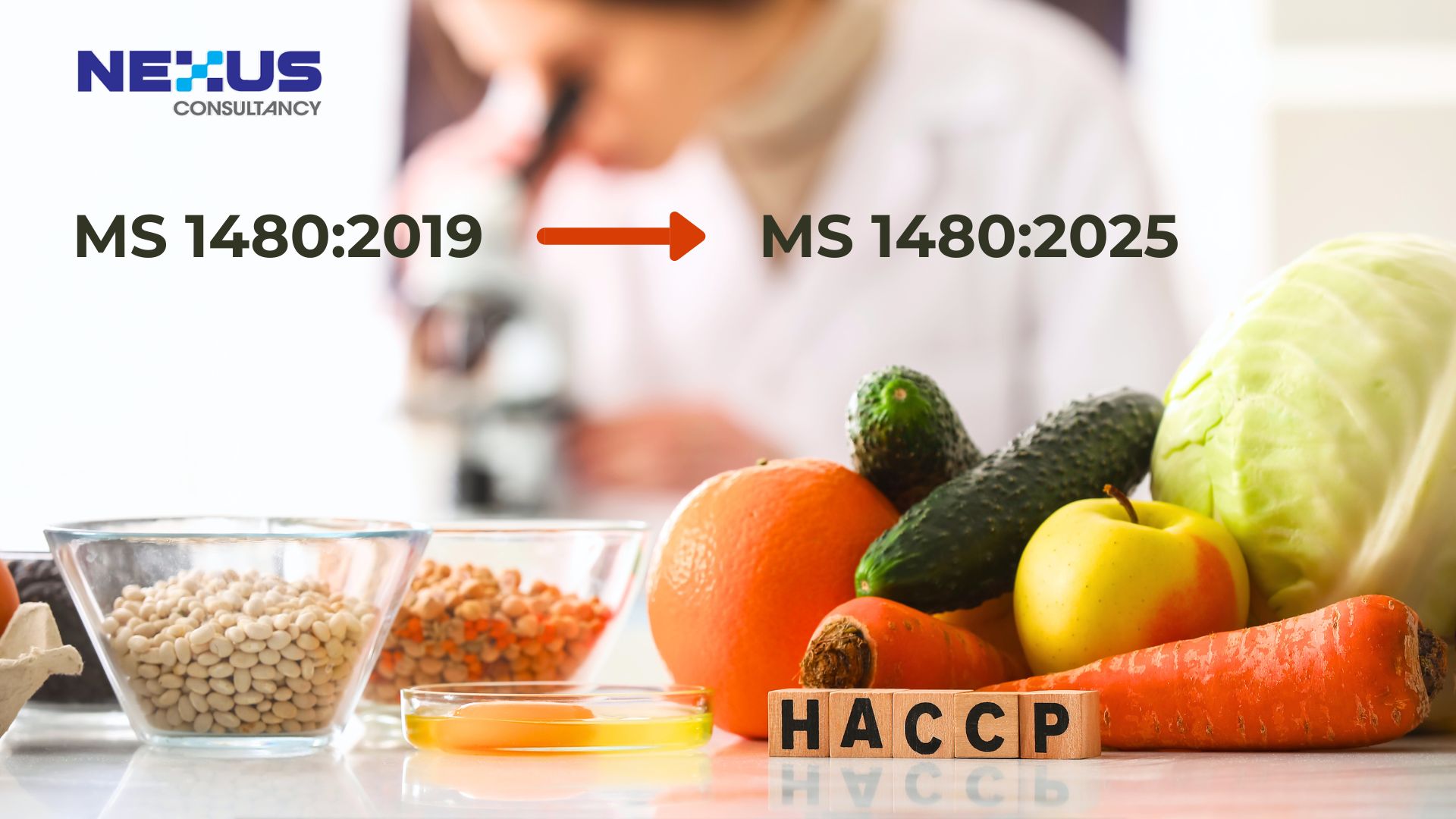
In today’s highly regulated food industry, ensuring food safety is not just a legal requirement – it’s critical to maintaining customer trust and protecting your brand. One of the most effective tools for managing food safety risks is HACCP (Hazard Analysis and Critical Control Points).
A well-executed hazard analysis forms the foundation of a successful HACCP plan. It helps you identify, evaluate, and control potential hazards before they compromise your products or put consumers at risk. But many businesses struggle to conduct an effective hazard analysis that truly works in practice, not just on paper.
👉 Talk to our HACCP consultants today to strengthen your food safety program and stay audit-ready.
What Is a Food Safety Hazard Analysis?
A hazard analysis is the process of identifying and evaluating potential hazards that could make food unsafe for consumption. Under HACCP, hazards are categorized into three main types:
• Biological hazards – e.g., bacteria, viruses, parasites, and molds
• Chemical hazards – e.g., allergens, pesticides, cleaning agents, and food additives
• Physical hazards – e.g., glass, metal, plastic, or other foreign objects
Identifying these hazards early helps you establish effective control measures and determine your Critical Control Points (CCPs).
Step-by-Step Guide to Conducting an Effective Hazard Analysis
1. Build a Multidisciplinary HACCP Team
Hazard analysis requires input from multiple functions, not just the quality department. Your HACCP team should include representatives from:
• Production
• Quality Assurance (QA)
• Procurement
• Maintenance
• Warehouse and logistics
A cross-functional team ensures that all perspectives are considered and no potential hazard is overlooked.
2. Describe Your Products and Processes
Before analyzing hazards, you need a complete understanding of your products and processes:
• Product descriptions (ingredients, packaging, allergens, shelf life)
• Intended use and consumer groups (e.g., infants, elderly, or allergen-sensitive consumers)
• Process flow diagrams showing every step from raw material intake to final distribution
A detailed process flow is crucial because hazards can occur at any stage.
👉 Book a discovery call to learn how Nexus TAC can help your business design audit-ready HACCP and ISO 22000 systems.
3. Identify Potential Hazards at Each Process Step
For every step in your process flow, ask: “What could go wrong that may make the food unsafe?”
Examples:
• Receiving raw materials: Pesticide residues, allergen cross-contamination
• Processing: Undercooking, incorrect pH levels, metal fragments from equipment
• Packaging: Labeling errors, foreign objects
• Storage and distribution: Temperature abuse, pest infestations
Use brainstorming sessions, historical data, and industry guidelines to build a comprehensive hazard list.
4. Assess the Severity and Likelihood of Each Hazard
Once identified, hazards must be evaluated to determine which ones are significant enough to control through CCPs.
Create a risk assessment matrix based on:
• Severity: How serious would the consequences be if the hazard occurs?
• Likelihood: How likely is the hazard to occur under current controls?
Hazards with high severity and high likelihood require the strictest control measures.
5. Determine Control Measures and Critical Control Points (CCPs)
For each significant hazard, define how you will prevent, eliminate, or reduce the risk to an acceptable level.
Examples of control measures:
• Temperature control for pathogens in cooking and chilling steps
• Metal detectors to identify physical hazards
• Allergen segregation to avoid cross-contact
Use a CCP decision tree to determine which steps require continuous monitoring and documented control.
6. Validate and Verify Control Measures
Control measures must not only exist – they must be effective.
• Validation: Prove that the control measure works (e.g., microbiological testing, scientific studies)
• Verification: Regularly check that controls are being applied correctly (e.g., internal audits, calibration records)
This is a core requirement for ISO 22000, FSSC 22000, and other GFSI-recognized schemes.
7. Document Everything for Compliance and Audits
A strong hazard analysis is incomplete without comprehensive documentation. Auditors will expect to see:
• Hazard identification records
• Risk assessment results
• Control measures and CCP decisions
• Validation and verification reports
Digital solutions like Scienta QMS make it easier to maintain version control, automate record-keeping, and ensure audit readiness.
Common Mistakes to Avoid in Hazard Analysis
• Overlooking allergen risks – Allergen cross-contact is one of the leading causes of recalls.
• Focusing only on CCPs – PRPs (Prerequisite Programs) like sanitation and pest control are equally important.
• Failing to update the analysis – Any change in ingredients, processes, or suppliers requires a review.
• Using generic templates – Each hazard analysis must be tailored to your facility and products.
Why an Effective Hazard Analysis Matters
A well-conducted hazard analysis helps you:
• Reduce the risk of foodborne illnesses
• Prevent costly recalls and reputational damage
• Demonstrate compliance with HACCP, ISO 22000, and FSSC 22000
• Build consumer trust through safer products
• Streamline audit readiness and certification processes
It’s not just about ticking boxes – it’s about protecting your customers and your brand.
Frequently Asked Questions (FAQ)
1. What is the difference between HACCP and ISO 22000?
HACCP is a risk-based system focusing on food safety hazards, while ISO 22000 is a broader standard that integrates HACCP principles with management system requirements.
2. How often should a hazard analysis be updated?
Anytime there’s a change in ingredients, suppliers, equipment, or processes. At minimum, it should be reviewed annually or during audit preparation.
3. Why are allergens a major concern in hazard analysis?
Allergens are a leading cause of food recalls worldwide. Even small cross-contact can pose severe health risks to sensitive consumers.
4. Can digital FSMS tools improve hazard analysis?
Yes. Digital systems like Scienta QMS improve traceability, record-keeping, and audit readiness by automating updates and ensuring version control.
5. Who should be in a HACCP team?
A multidisciplinary team from production, QA, procurement, logistics, and maintenance ensures no hazard is overlooked.

Final Thoughts
An effective food safety hazard analysis is the backbone of a successful HACCP plan. By systematically identifying hazards, assessing risks, and implementing strong control measures, you can ensure compliance, reduce business risks, and deliver safe, high-quality products consistently.
In today’s competitive market, businesses that invest in robust HACCP implementation and leverage digital FSMS solutions gain a significant advantage – not just in compliance but also in building lasting customer trust.
👉 Contact us today to build a hazard analysis and HACCP plan that truly works.