

Danielle Tan
Chief Operating Officer
Practical guide to transitioning from MS1480:2019 to MS1480:2025, reducing audit risks, maintaining certification, and strengthening HACCP systems.
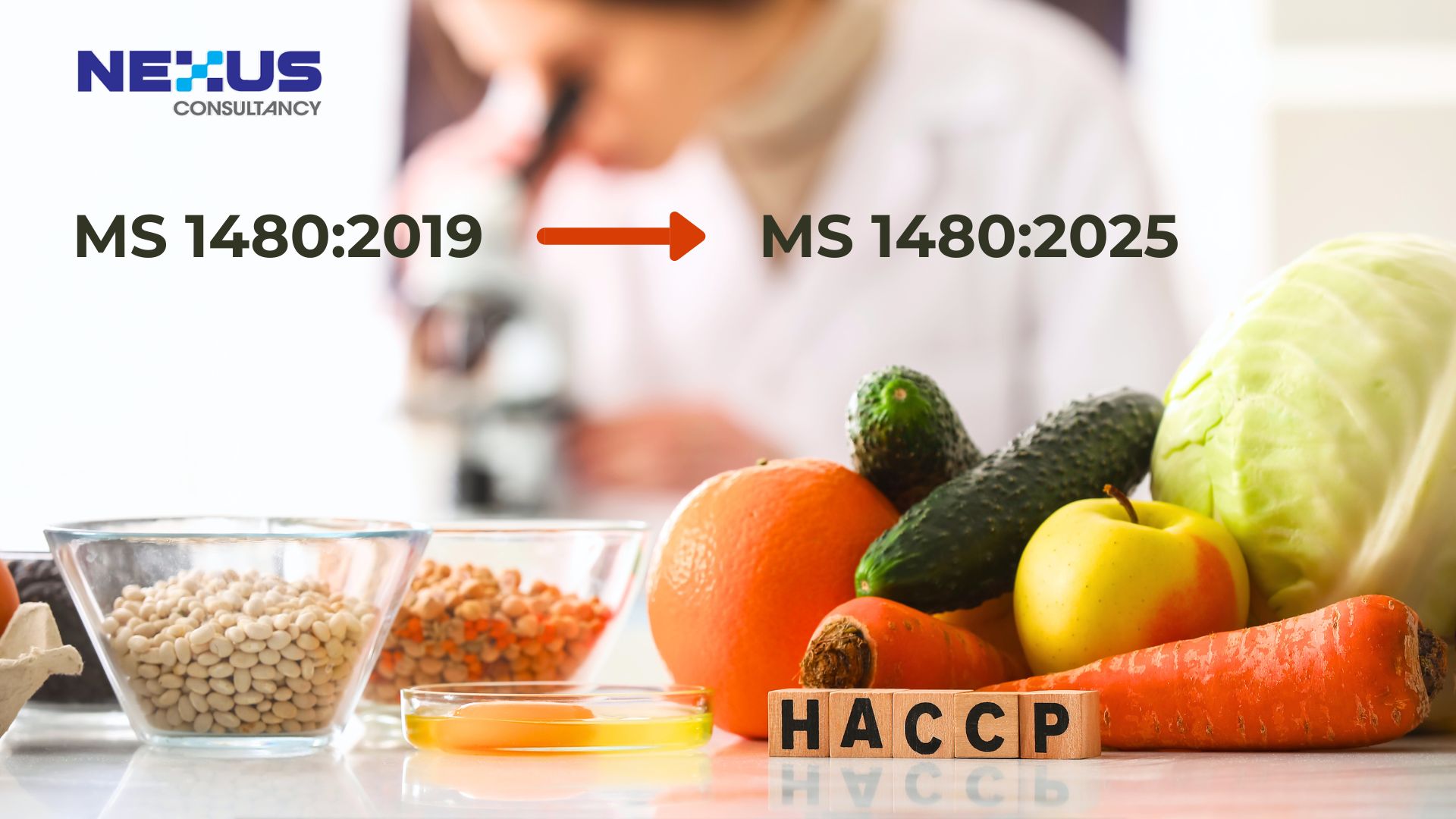
The release of MS1480:2025, Malaysia’s updated food safety standard based on HACCP principles, marks an important milestone for food manufacturers, processors, and exporters. Regulatory updates like this often trigger anxiety across operations, QA teams, and management, not because change is difficult, but because poorly managed transitions can disrupt production, delay certification, or create audit risks.
The good news: upgrading from MS1480:2019 to MS1480:2025 does not have to be stressful. With the right strategy, companies can complete the transition smoothly, maintain certification status, and even strengthen their food safety management system.
Why Transitioning Early Matters
Many organizations delay upgrading until the deadline approaches. This is risky. Early transition offers clear advantages:
• Avoid audit bottlenecks close to compliance deadlines
• Reduce certification pressure on QA teams
• Allow time for staff training and system adjustments
• Demonstrate proactive compliance to regulators and customers
Regulators and customers value organisations that demonstrate proactive compliance and structured transition planning. Companies that implement MS1480:2025 requirements early are viewed as more reliable suppliers and lower-risk partners.
Step 1: Understand What Has Changed
Before making any updates, organizations must clearly identify the differences between MS1480:2019 vs MS1480:2025.
Focus on reviewing:
• New or revised clauses
• Additional documentation requirements
• Updated hazard analysis expectations
• Strengthened verification or validation criteria
• Expanded traceability or monitoring controls
This step is critical because implementation should always be gap-based, not assumption-based. Misinterpreting requirements is one of the most common causes of non-conformities during certification audits.
Step 2: Conduct a Structured Gap Analysis
A MS1480 gap analysis compares your existing system against new requirements to determine:
• What already complies
• What needs updating
• What must be newly created
This prioritization prevents unnecessary workload and ensures teams focus only on real compliance gaps rather than rewriting the entire system.
Step 3: Create a Transition Implementation Plan
Once gaps are identified, develop a formal MS1480 transition plan. This should include:
• Timeline with milestones
• Responsible persons
• Required resources
• Training schedule
• Internal audit dates
Without a structured plan, companies often experience last-minute rushes that increase error risk. A well-designed transition roadmap ensures continuity of operations while upgrades are implemented.
Step 4: Update Documentation Strategically
A common mistake during standard upgrades is rewriting all documents. This wastes time and introduces inconsistencies.
Instead, apply the targeted update method:
• Revise only clauses affected by new requirements
• Maintain document numbering where possible
• Use revision history logs
• Clearly mark updated sections
Efficient documentation control not only saves time but also demonstrates strong document management during certification audits.
Step 5: Train Teams Based on Roles
Training should be role-specific, not generic.
Recommended approach:
• Top Management → Awareness + governance responsibilities
• QA Team → Technical requirements + interpretation
• Production Staff → Operational changes
• Internal Auditors → New audit criteria
When employees understand why changes are made, compliance becomes natural rather than forced. This improves implementation success and reduces resistance.
Step 6: Perform an Internal Audit Before Certification
Before your official audit, conduct a full MS1480:2025 internal audit to verify readiness.
This helps identify:
• Documentation gaps
• Implementation weaknesses
• Training effectiveness
• Evidence availability
Internal audits act as a safety net. Organizations that skip this step often discover issues only during certification audits, which may lead to non-conformities or delays.
Step 7: Engage a Competent Reviewer or Consultant
Standards interpretation can vary, especially when new revisions are released. Having a competent person review your upgraded system provides assurance that your implementation aligns with certification expectations.
This review should validate:
• Hazard analysis updates
• CCP justification
• Monitoring records
• Verification methods
• Compliance evidence
Independent validation helps reduce the risk of unexpected non-conformities during certification audits.
Common Transition Mistakes to Avoid
Organizations frequently struggle during standard upgrades because of avoidable errors:
• Waiting until the last minute
• Updating documents without updating practices
• Ignoring staff training
• Treating transition as paperwork instead of system improvement
• Assuming old HACCP plans automatically comply
Avoiding these mistakes ensures a smooth transition and protects certification timelines.
Turning Transition into an Opportunity
Rather than seeing MS1480:2025 as a regulatory burden, forward-thinking companies treat it as a chance to strengthen systems.
Benefits of upgrading strategically include:
• Improved food safety risk control
• Stronger traceability capability
• Better audit readiness
• Increased customer confidence
• Competitive advantage in export markets
In reality, standards revisions are designed to reflect current industry risks and global best practices. Companies that adapt quickly position themselves as industry leaders.
MS1480:2025 Upgrade: Key Questions Before You Start
1. What is MS1480:2025?
MS1480:2025 is Malaysia’s updated HACCP-based food safety standard that replaces MS1480:2019. It outlines requirements for hazard analysis, critical control points (CCPs), validation, verification, monitoring, and documentation to ensure food safety compliance.
2. Who is affected by MS1480:2025 requirements?
Food manufacturers, processors, packaging facilities, and exporters certified to MS1480:2019 will need to transition to MS1480:2025.
3. What is the most effective first step for MS1480:2025 transition?
Begin with a structured gap analysis against MS1480:2025. Many organisations assume their HACCP system remains compliant, only to discover missing evidence, outdated hazard justifications, or weak validation during audit. A focused review clarifies priorities early and protects your certification timeline from last-minute corrections.
4. How do we ensure our team correctly interprets the new requirements?
Misinterpretation is a common transition risk. Small clause changes can affect hazard analysis depth, monitoring criteria, and verification records.
Role-based training ensures:
• Management understands accountability expectations
• QA teams interpret technical updates accurately
• Production applies operational adjustments correctly
• Internal auditors audit against revised clauses
Clear interpretation reduces implementation errors and audit exposure.
5. What typically causes non-conformities during MS1480 transitions?
Many findings occur when documentation is updated but practices remain unchanged. Common issues include incomplete hazard analysis revisions, insufficient CCP validation evidence, inconsistent monitoring records, and internal audits that overlook new clauses. A full internal audit mapped to MS1480:2025 helps surface weaknesses before certification review.
If you are unsure how audit-ready your current MS1480 system is, a structured readiness review can provide immediate clarity before certification deadlines approach. Speak to our team to assess your transition readiness.
Preparing for a Smooth MS1480:2025 Transition
Transitioning from MS1480:2019 to MS1480:2025 does not have to disrupt operations. With a structured gap analysis, clear implementation roadmap, targeted documentation updates, and proper training, organizations can upgrade smoothly and confidently.
The key principle is simple: Successful transitions focus on system improvement, not just compliance. Companies that approach the upgrade strategically will not only meet certification requirements but also build stronger, more resilient food safety systems for the future.
Is Your Current MS1480 System Audit-Ready for 2025?
Many organisations believe their HACCP system is prepared until internal review reveals:
• Hazard analysis that does not fully reflect updated clauses
• CCP validation lacking documented justification
• Monitoring records not aligned with revised criteria
• Internal audits still based on MS1480:2019 structure
If these risks sound familiar, early structured review prevents costly audit findings and timeline delays.
Secure Your MS1480:2025 Readiness with Expert HACCP Support
Get practical, operational guidance to transition confidently, reduce audit risk, and strengthen your food safety system before your next certification review.
What We Can Help With
• Gap Analysis & Transition Roadmap: understand what to prioritise and why.
• MS1480:2025 HACCP Awareness Training: bring your team up to speed.
• MS1480:2025 HACCP Internal Audit Preparation: verify readiness and close gaps ahead of certification.
• Ongoing ISO & FSMS Advisory: align MS1480 transition with your wider food safety systems.
Ready to Transition Smoothly and Confidently?
Share your current certification timeline, and we’ll recommend the fastest transition path.
👉 Contact Us: https://nexustac.com/contact
👉 WhatsApp (Fast Response): https://wa.link/34icb2