
Danielle Tan
Chief Operating Officer
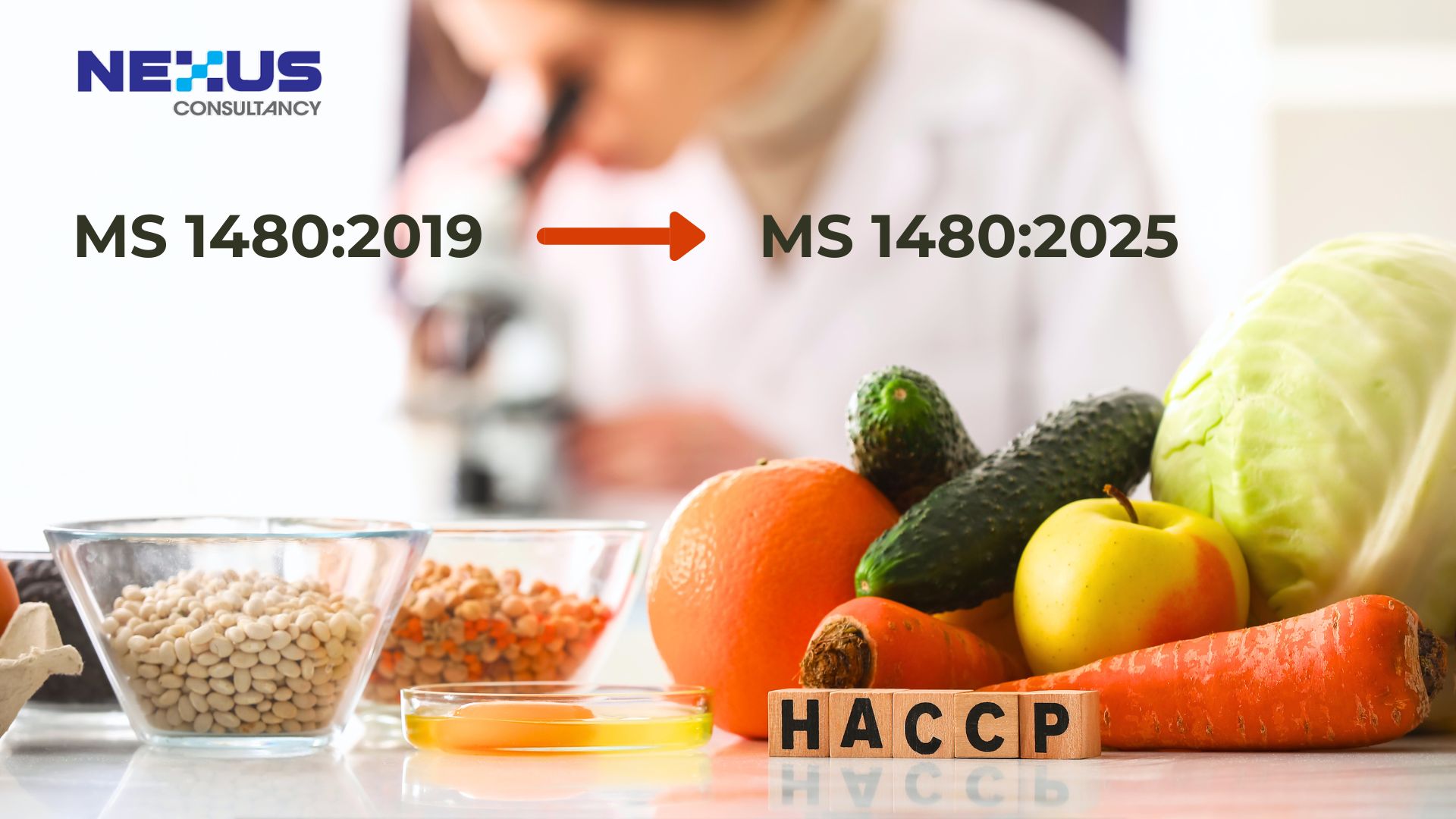
Discover the key updates in ISO 22002-100 and 22002-1:2025. Explore what changed, why it matters, and how food businesses stay compliant. Contact us to start now.

The year 2025 marks a significant milestone for global food safety. With the publication of ISO 22002-100:2025 and ISO 22002-1:2025, organizations in the food, feed, and packaging supply chain now have a modernized and harmonized framework for Prerequisite Programs (PRPs). These updates strengthen contamination control, enhance hazard prevention, and raise the benchmark for Food Safety Management Systems (FSMS) everywhere.
These changes are particularly important for businesses preparing for ISO 22000 or FSSC 22000 certification, upgrading their existing PRPs, or managing multi-sector operations. This article highlights the key changes and provides an overview to help food businesses stay compliant, competitive, and audit-ready.
1. A New Structure: Introducing ISO 22002-100:2025
One of the biggest changes is the introduction of ISO 22002-100:2025, a new standard that consolidates the common PRP requirements across food, feed, and packaging operations.
This unified approach simplifies implementation and strengthens consistency across different sectors.
ISO 22002-100 now covers core programs such as:
• Construction & layout of buildings
Requirements on zoning, drainage, environmental risks, and hygienic design of structures are clearly defined.
• Utilities management
Control of water, steam, air, ventilation, and compressed air is strengthened to minimize contamination risks
• Pest control programs
Standardized expectations for monitoring, detection, and eradication ensure robust pest management across all facilities
• Waste, Food Loss & Waste (FLW) management
New emphasis on separate storage, traceability, and prevention of cross-contamination in waste handling
• Employee hygiene & behavior
Updated controls on handwashing, workwear, PPE, personal behaviour, and visitor requirements strengthen contamination prevention
The new ISO 22002-100 now acts as the foundational PRP standard that all sector-specific ISO 22002 standards must refer to.
2. ISO 22002-1:2025 – Revised PRPs for Food Manufacturing
Together with the introduction of Part 100, ISO also released the updated ISO 22002-1:2025 specifically for food manufacturing facilities. This edition replaces ISO/TS 22002-1:2009 and is fully aligned with ISO 22002-100.
Key updates include:
a) Integration with ISO 22002-100
ISO 22002-1 no longer repeats common PRPs. Instead, it emphasizes that all food manufacturers must comply with ISO 22002-100 as the baseline.
b) Stronger microbial contamination control
Manufacturers must now implement more detailed microbial zoning and segregation strategies, including:
• structural barriers
• controlled airflow
• dedicated tools/ equipment
• people and traffic flow management
• pressure differentials
This enhances environmental hygiene, especially for RTE (Ready-to-Eat) processes.
c) Enhanced allergen management
The revised allergen controls now require:
• stricter cleaning validations
• sequencing
• airflow controls
• documentation for allergen-containing rework
• allergen awareness training for employees
• assessment of cross-contact and labelling requirements
These measures are essential for reducing accidental allergen cross-contact.
d) Elevated physical contamination prevention
New requirements include:
• inspection of brittle materials
• documented breakage procedures
• improved detection devices such as metal detectors or X-ray
• covers for exposed product zones
This aligns with global expectations on foreign-matter control.
e) Chemical contamination controls
Manufacturers must ensure chemicals are:
• approved by competent authorities
• stored in locked/ segregated areas
• labelled and used only by trained personnel
• applied according to verified instructions
This directly supports FSSC 22000’s stronger focus on chemical hazard mitigation.
f) Clearer requirements for rework
There is detailed guidance on:
• rework storage and traceability
• segregation of allergen-containing rework
• defined limits for rework usage
• prevention of foreign-body contamination during rework recovery
3. Why These Changes Matter for Food Businesses
a) Stronger audit readiness and compliance
With ISO 22002-100 creating a unified PRP baseline, auditors will now expect clearer documentation, consistent implementation, and better alignment with ISO 22000 and FSSC 22000 requirements.
b) Reduced risk of contamination and recalls
The emphasis on zoning, allergen control, physical contamination, and hygiene behavior helps prevent costly food safety incidents.
c) Better clarity for multi-site and multi-sector operations
Businesses operating across food, feed, and packaging sectors can adopt a standardized PRP structure and reduce complexity in maintaining different PRP systems.
d) Enhanced supply chain confidence
Improved supplier management, storage, transport controls, and traceability requirements support stronger business continuity and partnership confidence.
e) Alignment with global food safety trends
The new standards emphasize sustainability (FLW), traceability, environmental hygiene, and authenticity (food fraud), aligning with modern regulatory and consumer expectations.
4. How to Prepare for Transition
To comply with ISO 22002-100:2025 and ISO 22002-1:2025, organizations should:
• Conduct a PRP gap assessment – Compare current practices against the new requirements.
• Update PRP procedures and documentation – Particularly zoning, allergen management, waste management, cleaning programs, chemical handling, and supplier control.
• Train all employees on new behavioral and hygiene expectations
• Enhance monitoring and verification systems – This includes environmental monitoring, inspection frequencies, and validation checks.
• Engage your certification body or consultant early – To plan transition timelines and ensure audit readiness.
Final Thoughts
The 2025 revision of ISO 22002-100 and ISO 22002-1 is more than just a technical update – it reflects the global food industry’s move toward stronger hazard prevention, greater operational clarity, and higher consumer protection. By aligning early and upgrading your PRPs, your organization can achieve stronger compliance, reduce operational risks, and build trust as a high-performing, food-safe brand.