
Danielle Tan
Chief Operating Officer
A practical 10-question checklist food manufacturers can use to approve new packaging with confidence, covering food safety, compliance, and production performance.

Quick summary: Approving new packaging is a food safety decision that protects product integrity, legal compliance, and consumers. These ten questions give food manufacturers a structured way to check food contact safety, shelf life, artwork, traceability, supplier control, and real-world performance before sign-off.
Choosing new food packaging is about much more than appearance or cost. Before approving new packaging, food manufacturers should confirm that it protects food safety, preserves product quality and shelf life, meets regulatory requirements, supports traceability, and performs consistently through production, storage, and distribution.
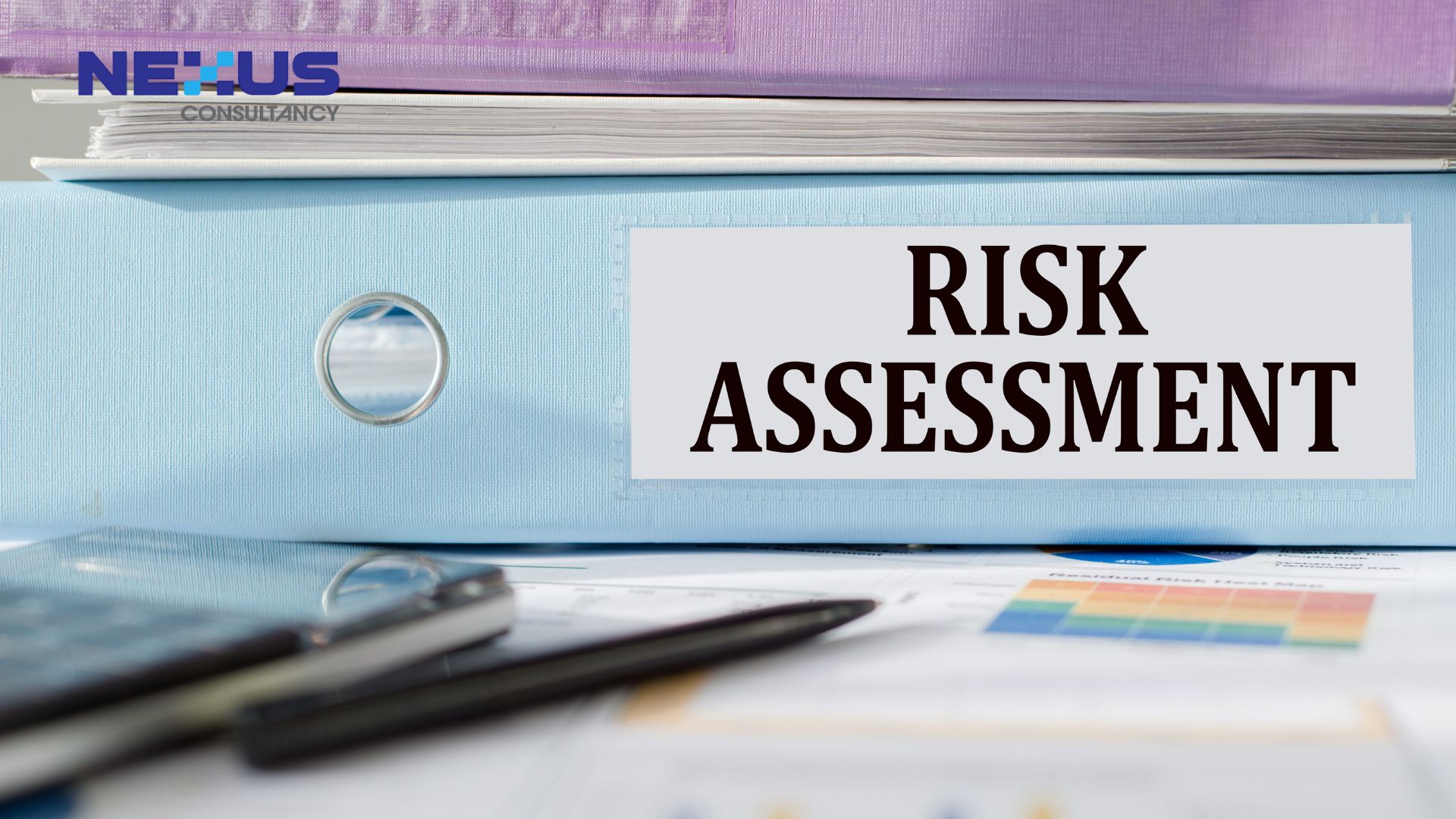
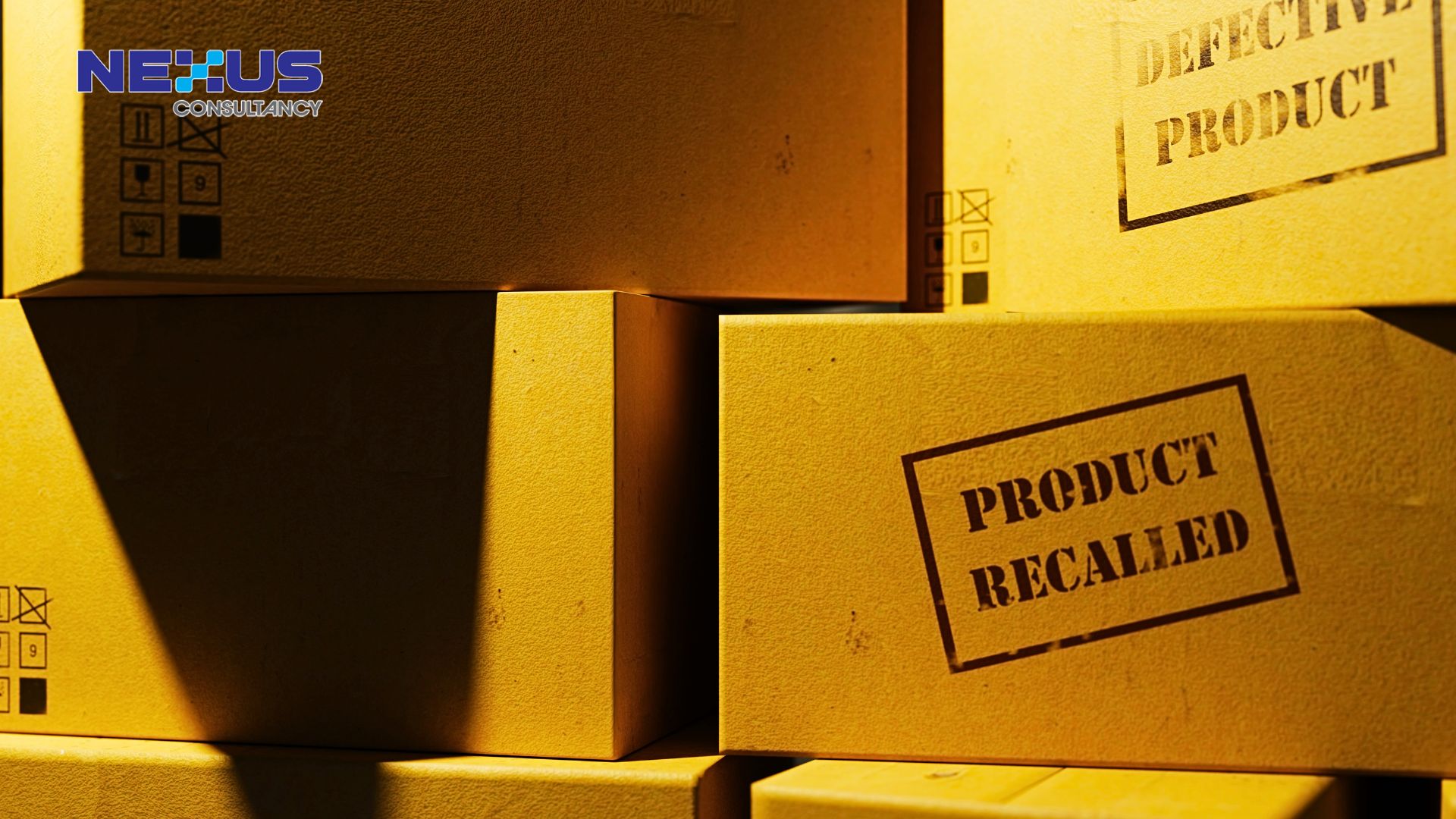
Asking the right questions before approval helps prevent contamination, labelling errors, packaging failures, product recalls, and costly rework. A structured verification process also supports compliance with food safety standards such as FSSC 22000, BRCGS (Brand Reputation Compliance Global Standards), and Hazard Analysis and Critical Control Points (HACCP) principles.
Packaging is often the last thing that touches your product before it reaches the consumer. While manufacturers spend significant effort controlling ingredients and processing, packaging can become a hidden source of risk if it is not properly evaluated. A packaging material that looks acceptable may still fail under real production conditions or introduce risks that only become apparent after products reach the market.
These checks also sit inside the wider expectations of FSSC 22000 Version 7, which raises packaging from a procurement task to a managed food safety control.
The 10 questions at a glance
| # | Question | What to verify | Why it matters |
| 1 | Food contact suitability | Declaration of Compliance or food-contact evidence for the food type, temperature, and storage | Prevents chemical migration into food |
| 2 | Shelf-life protection | Barrier performance through storage or accelerated testing | Product stays safe and saleable to the declared expiry |
| 3 | Production compatibility | Reliable running on filling, sealing, labelling, and coding lines | Avoids downtime, seal failures, and product damage |
| 4 | Artwork accuracy | Name, ingredients, allergens, nutrition, barcode, coding, mandatory information | Labelling errors are a leading cause of food recalls |
| 5 | Distribution protection | Transit testing for vibration, compression, stacking, and temperature | Product arrives intact |
| 6 | Traceability | Clear batch, date, and production coding | Fast, targeted action during a withdrawal or recall |
| 7 | Tamper evidence | Seals or security features suited to the product | Protects consumers and strengthens confidence |
| 8 | Supplier approval | Certifications, manufacturing controls, quality performance, change management | Consistent, reliable supply |
| 9 | Change control | Documented review of any material, print, adhesive, or process change | Catches risks before launch |
| 10 | Real-condition verification | Production trials at actual products, speeds, and conditions | Confirms performance at full scale |
The sections below explain each question and how to apply it before sign-off.
1. Is the Packaging Material Suitable for Direct Food Contact?
Every packaging material that comes into contact with food should be supported by appropriate food-contact compliance documentation. Suppliers should provide Declarations of Compliance (DoC) or other evidence demonstrating that the material is suitable for its intended use, including the specific food type, temperature and storage conditions.
2. Will It Maintain Product Quality Throughout the Intended Shelf Life?
Packaging should protect the product from moisture, oxygen, light, and other environmental factors that could shorten shelf life. Validation should include actual storage or accelerated testing where appropriate, to confirm that the packaging maintains product quality until the declared expiry date.
3. Is the Packaging Compatible with Your Production Process?
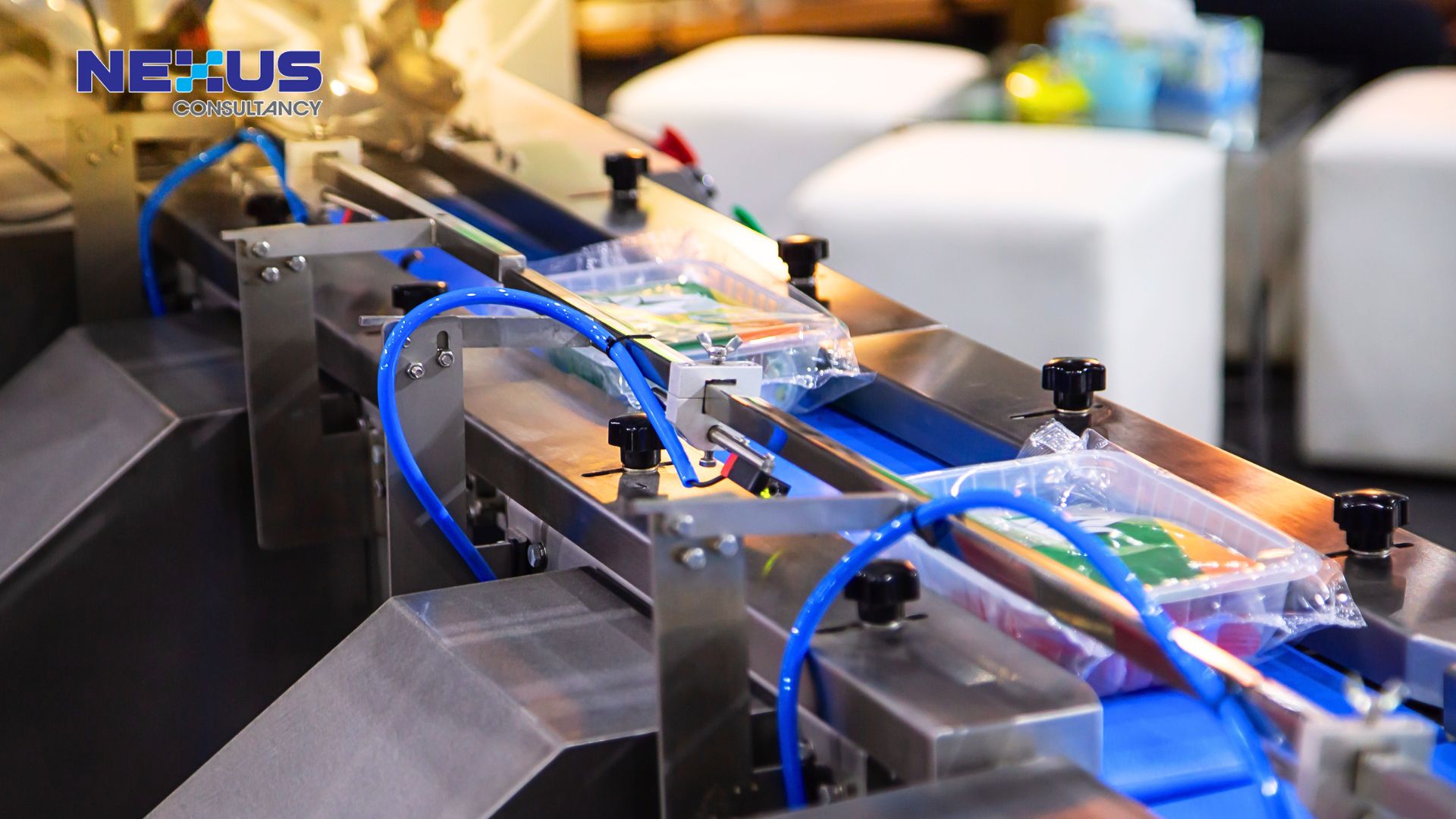
Some packaging performs well during laboratory testing yet causes problems on the production line. Verify that the material runs smoothly on filling, sealing, labelling, and coding equipment without excessive downtime, seal failures, or product damage.
4. Has the Artwork Been Thoroughly Verified?
Labelling and artwork errors remain one of the leading causes of food recalls worldwide, driven largely by undeclared allergens. Before approval, confirm that:
• Product name is correct.
• Ingredient list is accurate.
• Allergen declarations are complete.
• Nutritional information is verified.
• Barcode scans correctly.
• Batch coding and expiry date locations are suitable.
• Mandatory regulatory information is present.
Independent artwork verification can significantly reduce labelling risks.
5. Can the Packaging Protect Against Physical Damage During Distribution?
Packaging validation should continue beyond the factory. Products may experience vibration, compression, stacking, and temperature changes during transportation and storage. Transit testing helps confirm that the packaging keeps protecting the product until it reaches consumers.
Reviewing a new packaging material or supplier? A short packaging review surfaces the gaps auditors look for before you sign off. Book a 1-on-1 consultation with Nexus Consultancy.
6. Does the Packaging Support Product Traceability?
Packaging should facilitate effective traceability by allowing clear identification of batch numbers, manufacturing dates, expiry dates and production codes. In the event of a product withdrawal or recall, accurate coding enables manufacturers to quickly identify affected products while minimising business disruption.
7. Is the Packaging Secure Against Tampering?
Consumers increasingly expect visible evidence that products have not been opened or altered. Depending on product type, tamper-evident seals, induction seals, breakable caps or security labels may provide additional protection and strengthen consumer confidence.
8. Has the Packaging Supplier Been Properly Approved?
Even the best packaging design cannot compensate for inconsistent manufacturing quality. Suppliers should be evaluated through an approval programme that considers certifications, manufacturing controls, quality performance, change management and ongoing monitoring.
9. Have All Packaging Changes Been Formally Controlled?
Changes in material composition, dimensions, printing, adhesives or manufacturing processes can affect product safety and performance. Every packaging modification should go through a documented change control process before implementation to ensure risks have been assessed and approved.
10. Has the Packaging Been Verified Under Actual Operating Conditions?
Laboratory evaluations alone are rarely sufficient. Final verification should include production trials using actual products, operating speeds and environmental conditions. This confirms that the packaging performs consistently in real manufacturing situations before full-scale implementation.
Turn the 10 questions into a repeatable process
To make packaging approval consistent and audit-ready, food manufacturers can:
• Build the ten questions into a standard packaging approval checklist.
• Require documented evidence against each question before sign-off.
• Record the approval decision, the evidence reviewed, and who approved it.
• Re-verify affected questions whenever a material, supplier, print, or process changes.
Together these steps show that packaging risks are identified, controlled, and reviewed on a defined basis.
Frequently Asked Questions (FAQ)
1. Why is packaging verification important in food manufacturing?
A: It confirms that packaging materials protect food safety and product quality before approval. Verification checks that materials preserve shelf life, comply with regulations, and perform effectively during production and distribution, which reduces the risk of contamination, packaging failures, and recalls.
2. What should be checked before approving new food packaging?
A: Manufacturers should verify food-contact compliance, material compatibility, shelf-life performance, artwork accuracy, seal integrity, traceability, tamper evidence, supplier approval, change management and production performance before approving new packaging.
3. How does packaging affect food safety?
A: Packaging serves as a barrier against contamination, moisture, oxygen, light and physical damage. Inadequate packaging can compromise food safety, accelerate spoilage or expose consumers to incorrect allergen information due to labelling errors.
4. Which food safety standards require packaging control?
A: Standards such as FSSC 22000, BRCGS Food Safety, ISO 22000 and HACCP-based food safety management systems require organisations to identify, verify and control packaging risks as part of their food safety management processes.
5. Should packaging be validated after design changes?
A: Yes. Any changes to packaging materials, dimensions, printing, suppliers or manufacturing processes should undergo formal change control and verification to confirm they do not negatively affect food safety, product quality or regulatory compliance.
6. How often should packaging be reviewed?
A: Packaging should be reviewed whenever there is a design change, supplier change, product reformulation, process modification or regulatory update. Periodic reviews are also recommended to ensure continued effectiveness and compliance.
Packaging Verification Is a Food Safety Investment
Many packaging failures are preventable when organisations adopt a structured verification process before approval. When manufacturers treat packaging as an essential food safety control, they protect consumers, brand reputation, and regulatory compliance.
A comprehensive packaging review helps identify potential issues before they become customer complaints or recalls. It also supports compliance with internationally recognised food safety management systems that increasingly expect organisations to demonstrate effective control over packaging design, approval and change management. For the full picture on how these expectations are changing, see our guide: How FSSC 22000 Version 7 Changes the Way You Manage Packaging.
As packaging materials become more sophisticated and consumer expectations continue to rise, manufacturers that strengthen their packaging verification process will be better positioned to deliver safe, high-quality products with confidence.
How Nexus Consultancy Can Help
Nexus Consultancy helps food manufacturers turn packaging approval into a managed, audit-ready part of their food safety system:
• FSSC 22000, ISO 22000, BRCGS & HACCP Consultancy: build and maintain your packaging risk assessments, supplier controls, and verification within a certified food safety management system.
• Food Safety Training: strengthen your team’s skills in packaging controls, food contact compliance, and internal auditing.
• Business Digitalization: move supplier documents, specifications, and verification records off spreadsheets into one centralised, reminder-driven system.
Book a consultation to review your packaging controls and spot compliance gaps before your next audit.
👉 Book Your Professional 1-on-1 Consultation: https://nexustac.com/contact/
👉 WhatsApp (Fast Response): https://wa.link/34icb2