
Danielle Tan
Chief Operating Officer
Master the ISO 14001:2026 transition. Discover how the lifecycle perspective, climate risk mandates, and value chain influence affect your EMS certification and global market access.

Quick Summary for Decision-Makers:
ISO 14001:2026 mandates a shift from internal compliance to value chain accountability. To maintain certification, businesses must prove “intentional influence” over environmental impacts across the entire product lifecycle from raw material sourcing and design to final disposal.
• Climate & Context (Clause 4): Mandatory evaluation of climate change risks and biodiversity.
• Change Management (Clause 6.3): Documented impact reviews are required before operational changes.
• Operational Control (Clause 8.1): Environmental criteria must be embedded into procurement and external provider management.
• The Bottom Line: Compliance no longer stops at the factory gate; it requires active lifecycle leadership.
One of the most important, but often misunderstood requirements in ISO 14001:2026 is the strengthened emphasis on the lifecycle perspective.
Many organisations assume lifecycle thinking only applies to large manufacturers or complex industrial products. In reality, the new version makes it clear: every organisation must consider environmental impact beyond its own operations.
This is where many Environmental Management Systems (EMS) will either evolve, or fall behind.
What Is Lifecycle Perspective in ISO 14001:2026?
A lifecycle perspective means evaluating environmental impacts across the entire journey of a product or service, including:
• Raw material sourcing
• Design and development
• Production or service delivery
• Transportation and distribution
• Use by customers
• End-of-life treatment and disposal
ISO 14001:2026 explicitly requires organisations to consider what they can control and what they can influence across these stages. This is a critical shift, moving from an internal focus to a true value chain awareness.
The ISO 14001:2026 Lifecycle Roadmap
Meeting the 2026 revision requires a systematic framework across the value chain. As your partner in compliance, we provide the Consultancy and Training needed to align your processes with the latest standard requirements:
• Upstream (Clause 8.1 – Procurement): We guide you in establishing documented environmental criteria for purchasing. Our ISO 14001 Consultancy Services help you develop the framework to communicate these expectations to suppliers and contractors.
• Internal Operations (Clauses 6.1 & 8.1 – Control): Our ISO 14001 Awareness & Transition Training equips your team with the methodology to identify significant environmental aspects and establish the operational controls needed to manage waste and resources on-site.
• Downstream (Clause 8.1 – Communication): We assist in setting up procedures to share essential environmental information with customers and end-users regarding product delivery and end-of-life disposal, ensuring full compliance with the standard’s lifecycle mandates.
What Has Changed in ISO 14001:2026?
While lifecycle thinking is not new, its application within the 2026 standard has become far more structured, explicit, and rigorous. The expectations center around three major pillars:
1. More Explicit in Requirements
Organisations must now demonstrate how lifecycle is considered when:
• Identifying environmental aspects and impacts (Clause 6.1.2)
• Planning operational controls (Clause 8.1)
• Managing external providers (Clause 8.1)
Key Takeaway: It is no longer acceptable to simply mention “lifecycle thinking” in your documentation without showing practical, day-to-day application.
2. Stronger Link to Operational Control
Clause 8 mandates that organisations explicitly build environmental considerations into their core processes:
• Define environmental requirements in design and development phase
• Include clear environmental criteria in procurement and purchasing
• Communicate specific operational requirements to suppliers, partners and contractors
• Address potential impacts during use and disposal stages
Lifecycle perspective is now embedded directly into daily operations, rather than being treated merely as a high-level planning concept.
3. Greater Focus on Influence, Not Just Control
The standard explicitly recognizes that organisations cannot fully control their entire supply chain, but they must exercise intentional influence where possible. This includes:
• Supplier selection
• Material choices
• Eco-friendly packaging decisions
• Customer usage behaviour
The expectation is not immediate perfection, but intentional influence across the entire value chain.
What Businesses Must Do Differently
For many organisations, this is where the real work begins.
1. Move Beyond “Factory-Only” Thinking
Traditionally, an EMS focused primarily on internal metrics: waste generated internally, energy consumption, and direct emissions. Now, businesses must ask: Where do our biggest environmental impacts actually occur? Upstream impacts (raw materials and supplier practices) and downstream impacts (customer use and disposal) must be systematically reviewed.
2. Integrate Environmental Criteria into Procurement
Procurement is no longer just about cost and speed. Organisations should:
• Evaluate suppliers based on documented environmental performance
• Include measurable environmental requirements in purchase specifications
• Proactively engage suppliers on sustainability expectations
This is especially critical for Malaysian SMEs working with regional or global supply chains, where compliance is increasingly tied to market access.
3. Work Closer with Suppliers and Contractors
ISO 14001:2026 requires organisations to ensure that externally provided processes are controlled or influenced. This means:
• Communicating explicit environmental expectations to external providers
• Monitoring supplier compliance where necessary
• Collaborating on joint environmental improvements
Your EMS boundary now extends directly beyond your organization’s walls
4. Consider Product and Service Design
Even simple changes in early design stages can significantly reduce cumulative environmental impacts. Examples include:
• Using recyclable or low-carbon materials
• Eliminating excessive layers of packaging
• Designing for longer product lifespan or lower resource usage
Lifecycle thinking starts at the design stage, not after production
5. Think About End-of-Life Impact
Many organisations ignore what happens after their product or service has been delivered. ISO 14001:2026 expects businesses to consider and mitigate:
• Disposal methods and waste generated during product disposal
• Product recycling and upcycling pathways
• Environmental risks that occur at the end of the product lifecycle
This is becoming increasingly important with ESG and regulatory expectations.
6. Train Teams to Think Differently
Adopting a lifecycle perspective is not just a system requirement; it is a cultural mindset shift. Employees need to understand how their decisions impact the environment beyond their department, why supplier engagement matters, and how to track risks across the entire lifecycle.
Common Mistakes to Avoid
Many organisations struggle with lifecycle implementation due to:
• Treating it as a documentation exercise only: Creating a policy on paper without updating actual procurement or design workflows.
• Assuming low leverage means no action: Believing that because you are a smaller business with lower supplier influence, you can ignore value chain expectations.
• Focusing only on internal operations: Missing the massive environmental risks tied to upstream and downstream activities.
• Not involving cross-functional teams: Leaving lifecycle management entirely to the EHS or QA team instead of involving procurement, design, and sales.
Lifecycle perspective requires cross-functional involvement, not just the EHS or QA team.
Frequently Asked Questions
Q1: Does the ISO 14001 lifecycle perspective require a full Life Cycle Assessment (LCA)?
A: No. You need a lifecycle perspective, not a technical LCA study. You must show that you evaluate and influence environmental aspects across sourcing, design, and disposal through documented processes.
Q2: How can a service-based business (non-manufacturer) show lifecycle thinking?
A: Focus on Procurement and Service Delivery. Selecting eco-friendly vendors, reducing energy use in data servers, or providing digital alternatives to paper-based services are all valid lifecycle influences.
Q3: What are the practical requirements for “Influence” under Clause 8.1?
A: You must integrate environmental criteria into your procurement process. This includes adding sustainability clauses to contracts, communicating disposal requirements to clients, and evaluating contractor performance.
Q4: How does Climate Change link to Clause 4 of ISO 14001:2026?
A: Organizations must now formally determine if climate change is a relevant issue to their context, assessing how extreme weather disrupts operations or how the business contributes to climate risks.
Q5: What is the “Change Management” requirement in Clause 6.3?
A: Any change to operations (new equipment, new suppliers, or site relocation) must follow a planned and documented evaluation to ensure environmental risks are controlled before the change occurs.
Final Thoughts: From Responsibility to Influence
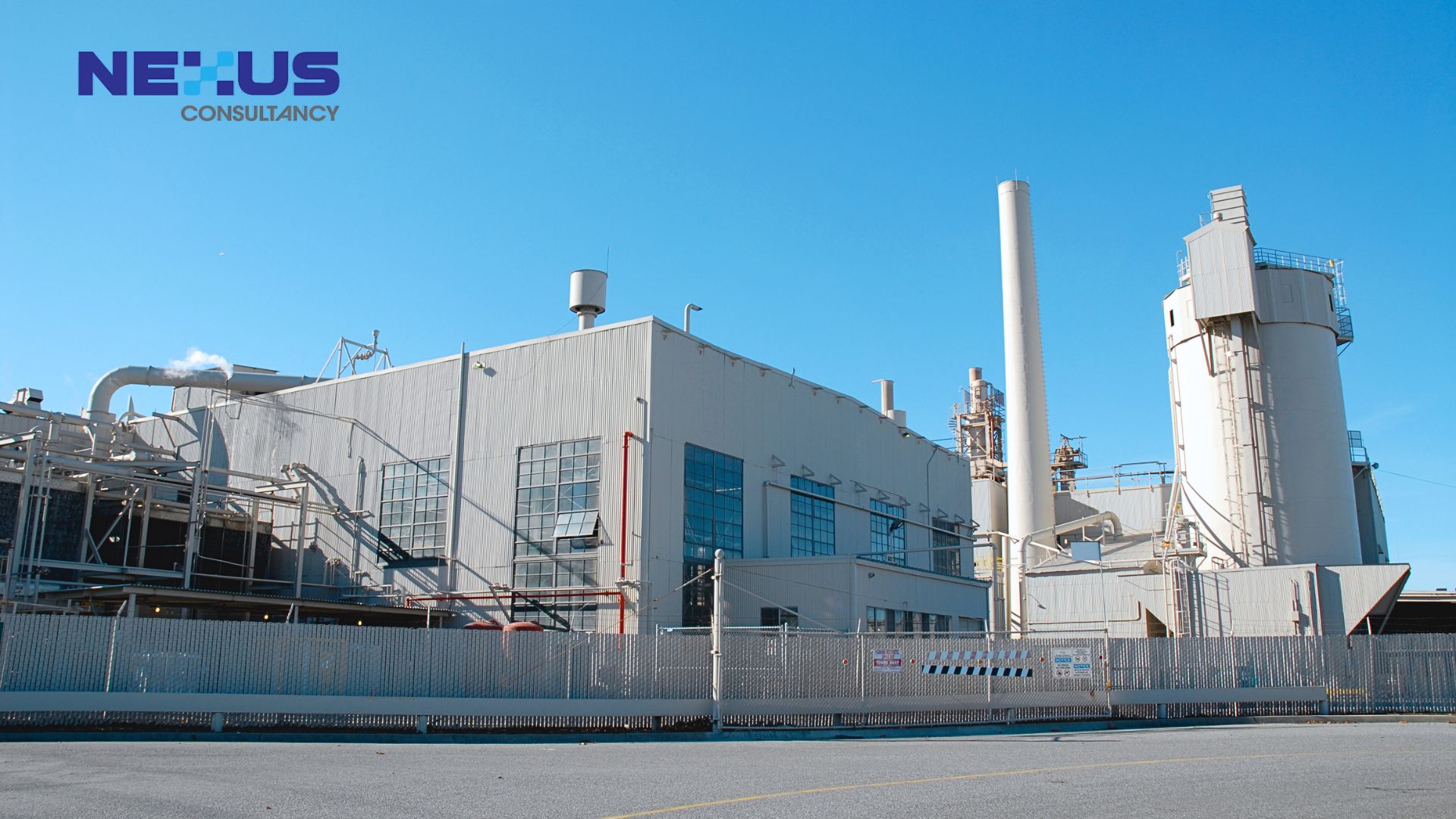
The directive of ISO 14001:2026 is clear: Environmental responsibility does not stop at your factory gate. The organisations that succeed will be those that understand their true environmental footprint across the value chain, use their position to influence suppliers and customers, and integrate environmental thinking directly into strategic business decisions.
Learn How to Transition Smoothly to ISO 14001:2026
Don’t let your Environmental Management System fall behind. Securing a lifecycle perspective protects your business from compliance risks and creates clear competitive advantages in international markets.
Join Our Next Live Webinar
To help you prepare your management system for your next audit, we invite you to attend our upcoming session:
• Topic: ISO 14001:2026: What’s Changing and What You Must Do Now
• When: Wednesday, May 13, 2026 | 2:00 PM – 3:00 PM (GMT+8)
• Where: Live on Zoom
Is Your EMS Ready for the Lifecycle Shift?
The window to align your Environmental Management System with the latest lifecycle and value chain requirements is already narrowing. Proactive organisations are updating their procurement and operational controls now to prevent compliance gaps.
Book Your Complimentary 15-Minute Strategy Session today. Let’s map out exactly what your business needs to do differently to protect your certification and secure your market access.