
Darren Tang
Director
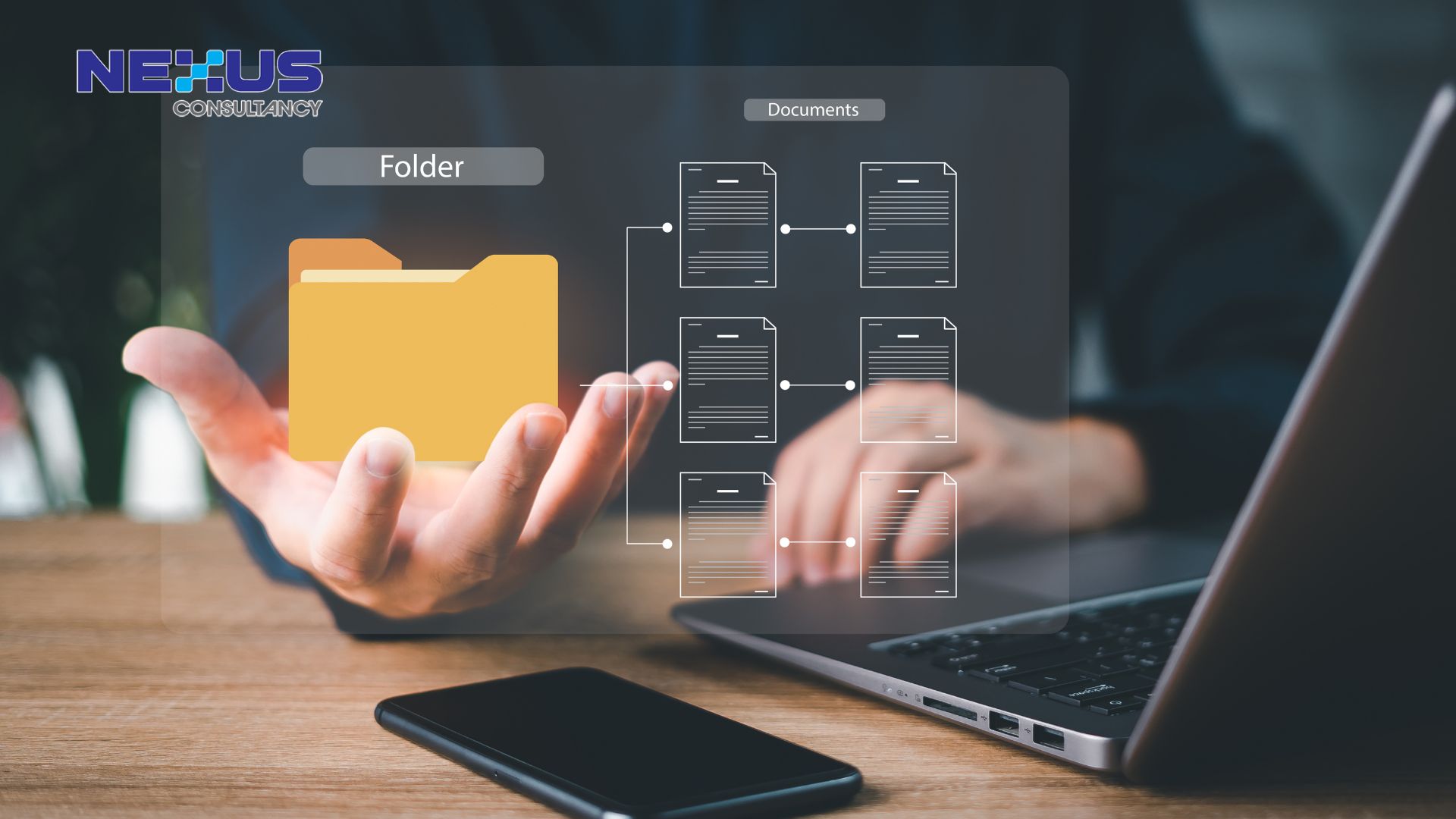
Digital SOPs make life easier for organizations of all types and sizes. They streamline processes, reduce operational costs, and ensure compliance.
– 4 mins read

In recent years, many manufacturers have begun digitizing their SOPs and processes. Why? Because it saves time, increases efficiency, and ensures compliance. Evidence suggested that manufacturers need to digitalize their processes to stay competitive. According to Gartner, 91% of businesses are engaged in some form of digital initiative, and 87% of senior business leaders say digitalization is a priority.
As mentioned in previous article, the process of establishing SOPs that deliver results become more difficult as manufacturers grow. To top it up, it is common that manufacturers that have SOPs mostly have them and their records in hard copies. Hard copies have their disadvantages. They are not convenient, data not readily available, not economical nor environmentally friendly. Workers may not have clarity on tasks, not productive, delay or missed updating records. Hard copies may become massive and not traceable.
Transitioning your manufacturing SOPs to digital can address the problems above. It can help to:
- Improve traceability. One of the most significant advantages of digitalizing SOPs is traceability. Supervisors can quickly retrieve information whether a task has been carried out, and its result. Such data would be helpful in quickly evaluating manufacturing issues and identifying corrective actions, to prevent wastages and delay.
- Improve productivity. Departments with interconnected processes can now synchronize work to achieve faster and better outcomes. Information like raw materials availability, stocks availability, delivery dateline is easily available. Tasks can be verified, noncompliance identified and resolved.
- Improve workers’ accessibility. Cloud-based system would enable workers to access processes and checklists quickly. Superiors can carry out reviews and approvals quickly, and in remote locations.
- Improve accuracy of information. Information being input will be transferred throughout the relevant processes and functions. This eliminates the mistake or error of having different information or data between one department and the other.
Transitioning manufacturing SOPs to digital may seem ideal, but could involve a huge task. Manufacturers often wonder where to begin the journey of transitioning. Below are some points to help in the consideration:

1. Digitalize or automate repetitive tasks first.
Start by digitalizing your manufacturing’s most repetitive tasks. Routine, manual tasks provide an easy opportunity for digitalization to free up time and resources. These tasks may include daily production planning, materials planning, ordering of raw materials, quality control, etc.

2. Digitalize processes that involves moving of information.
Digitalize processes that involves moving of information between departments or functions, example purchase requisition from production department to purchasing department, quality inspection from production department to quality assurance department or delivery process from warehouse to logistic department.

3. Digitalize processes that require approval from superior.
Seeking approval from superior may be tedious and time-consuming, requiring to provide the necessary paper-works, for example quotations comparison during suppliers’ evaluation. Digitalizing these processes can help save time and improve efficiency.
The process of digitalization may not be simple and will take time. Understand and prepare your digitalization strategy to cater for your business growth.
Feel free to contact us to learn more how we use SOP to bring your business to the next level
More Article

5 FSSC 22000 V7 Implementation Gaps Companies Should Check Now
Chief Operating OfficerReview your FSSC 22000 V7 transition priorities, identify implementation gaps and explore relevant consultancy or training support.If your organization is preparing for FSSC 22000 Version 7, five practical areas are worth checking now: your...

ISO 22002-100:2025 Is Now Part of FSSC 22000 V7: What Does Your PRP System Need to Change?
Chief Operating OfficerReview ISO 22002-100 and ISO 22002-1 PRP changes for FSSC 22000 V7, identify gaps, and prepare for your upgrade audit.If your food manufacturing organization is transitioning to FSSC 22000 Version 7, its prerequisite program (PRP) system needs...

Beyond Compliance: How Environmental Action Can Reduce Costs and Create Business Value
Chief Operating OfficerSee how practical environmental action can cut resource waste, improve efficiency, manage risk and strengthen customer value.Environmental action can reduce business costs by lowering energy and water use, preventing material losses, reducing...

Stop Measuring Everything: The Environmental Metrics That Actually Matter
Chief Operating OfficerIdentify which environmental metrics can help management understand significant impacts, interpret performance trends and decide what action should follow.The environmental metrics that matter most are those that show where significant impacts...