
Koh Zhuan Lun
Management Consultant
” Digital transformation refers to enabling or improving processes by taking advantage of digital technologies and digitized data. “
– 3 mins read

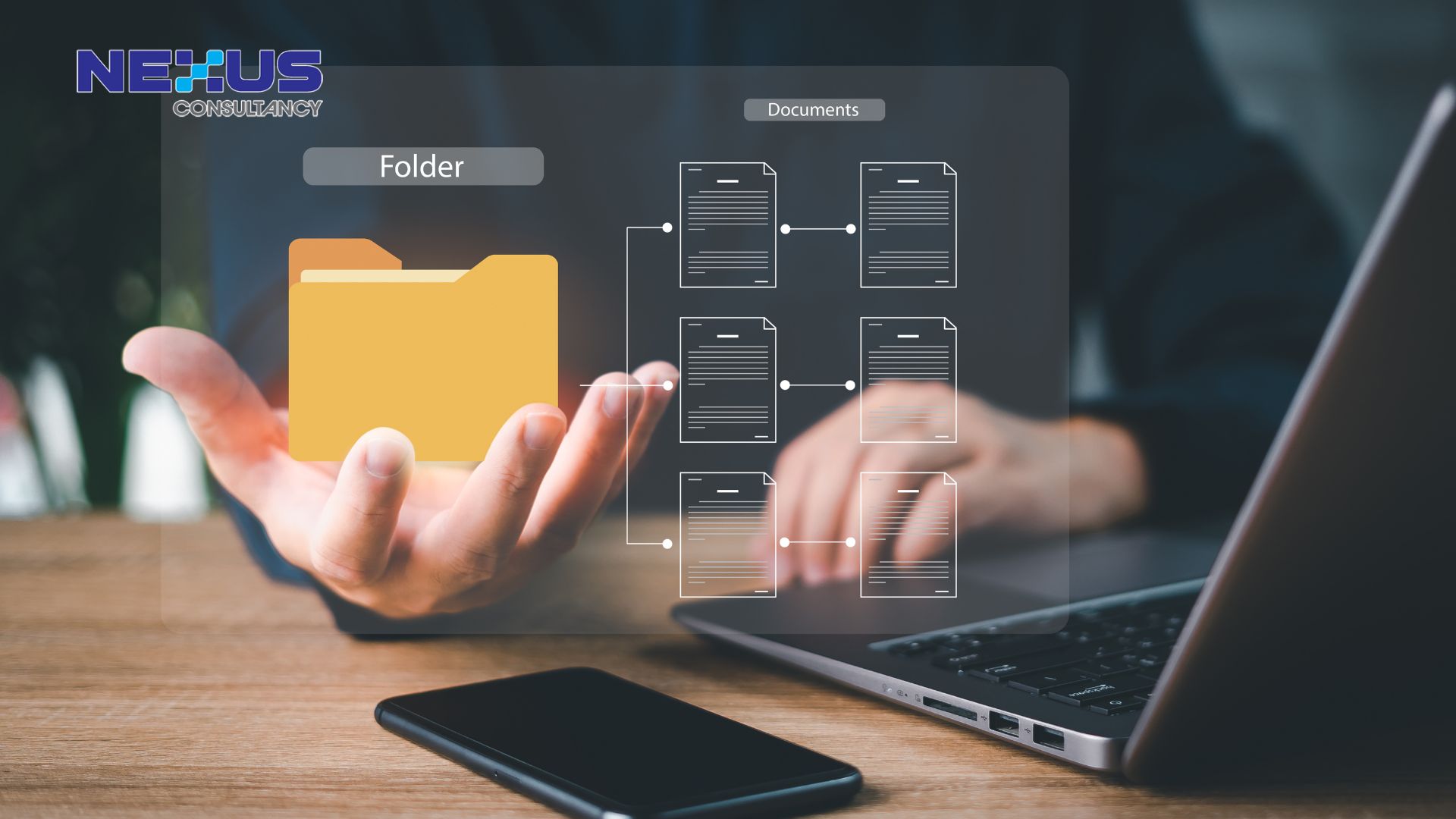
Digitization can be known as the integration of digital technology into all aspects of a business. It causes fundamental changes in the way a company operates. The benefits of digitization are enjoyed by organizations across industries: businesses can use it to streamline and automate processes, increase workflow efficiency, strengthen security, and increase profitability.
Digitalization isn’t just about simply having paperless documentation or migrating data to the cloud. Digitalization is about re-evaluating and optimizing your systems and processes to ensure they are flexible enough to provide robust business intelligence and position your company for long-term success.
Why is Digitalization important?
Digitalization will change the way how an organization used to operate. The changes include system, process, workflow, and even the organizational culture. Digitalization affects every level of an organization and brings together data from various areas so that employees can collaborate more effectively.
The Top 3 Benefits of Digitalization

1. Less time spent on repetitive administrative tasks
If there is one reason for a business to adopt digitalization, it is to save time for you (and your employees).
Imagine if your employees could spend more of their valuable time on revenue-generating projects that require their focus, rather than wasting hours on mundane tasks that could easily be automated using digital tools.
Digitalizing your business process can help you save time by:
- Freeing up time spent on manual processes
- Improving your employees’ job satisfaction by automating recurring tasks that can get boring
- Making sure that critical processes are completed in a timely and error-free manner

2. Enhanced Data Collection
Nowadays, more businesses realize the benefits of collecting customer data, but the real benefit comes from really analyzing the data which could later translate into business insights. Digitalization creates a system for gathering the right data for higher-level business intelligence. It enables various functional units within an organization to translate raw data into insights. This results in a unified view of the customer journey, operations, production, finance, and business opportunities.

3. A Better Customer Experiences
A great customer experience should be your business’ top priority. Consider how your digital transformation can not only increase team efficiencies but also provide more seamless, intuitive experiences for your customers.
Nowadays customers are very tech-savvy and demanding, which means they expect quick and instant customer support. Your goal should be to digitalize your customer relationship management process so that you can provide better service to your customers.
Consider the following scenario: A customer calls to inquire about the status of a delivery that was supposed to arrive yesterday. By simply looking at the system, customer service can immediately determine what caused the mix-up and provide more insight into why the product is delayed in delivery. Instead of possible order cancellation, the customer gains a better understanding of the process, and the sale is saved. Wouldn’t it be nice if all customers were like this? Regardless, the extra insight into the order adds value that the customer will appreciate, whether they realize it or not.
Reference:
More Article
5 FSSC 22000 V7 Implementation Gaps Companies Should Check Now
Chief Operating OfficerReview your FSSC 22000 V7 transition priorities, identify implementation gaps and explore relevant consultancy or training support.If your organization is preparing for FSSC 22000 Version 7, five practical areas are worth checking now: your...

ISO 22002-100:2025 Is Now Part of FSSC 22000 V7: What Does Your PRP System Need to Change?
Chief Operating OfficerReview ISO 22002-100 and ISO 22002-1 PRP changes for FSSC 22000 V7, identify gaps, and prepare for your upgrade audit.If your food manufacturing organization is transitioning to FSSC 22000 Version 7, its prerequisite program (PRP) system needs...

Beyond Compliance: How Environmental Action Can Reduce Costs and Create Business Value
Chief Operating OfficerSee how practical environmental action can cut resource waste, improve efficiency, manage risk and strengthen customer value.Environmental action can reduce business costs by lowering energy and water use, preventing material losses, reducing...

Stop Measuring Everything: The Environmental Metrics That Actually Matter
Chief Operating OfficerIdentify which environmental metrics can help management understand significant impacts, interpret performance trends and decide what action should follow.The environmental metrics that matter most are those that show where significant impacts...