
Koh Zhuan Lun
Management Consultant
” The workplace is constantly changing and consumer expectations continue to rise. It is critical that companies equip themselves with innovative and efficient digital tools. “
– 4 mins read
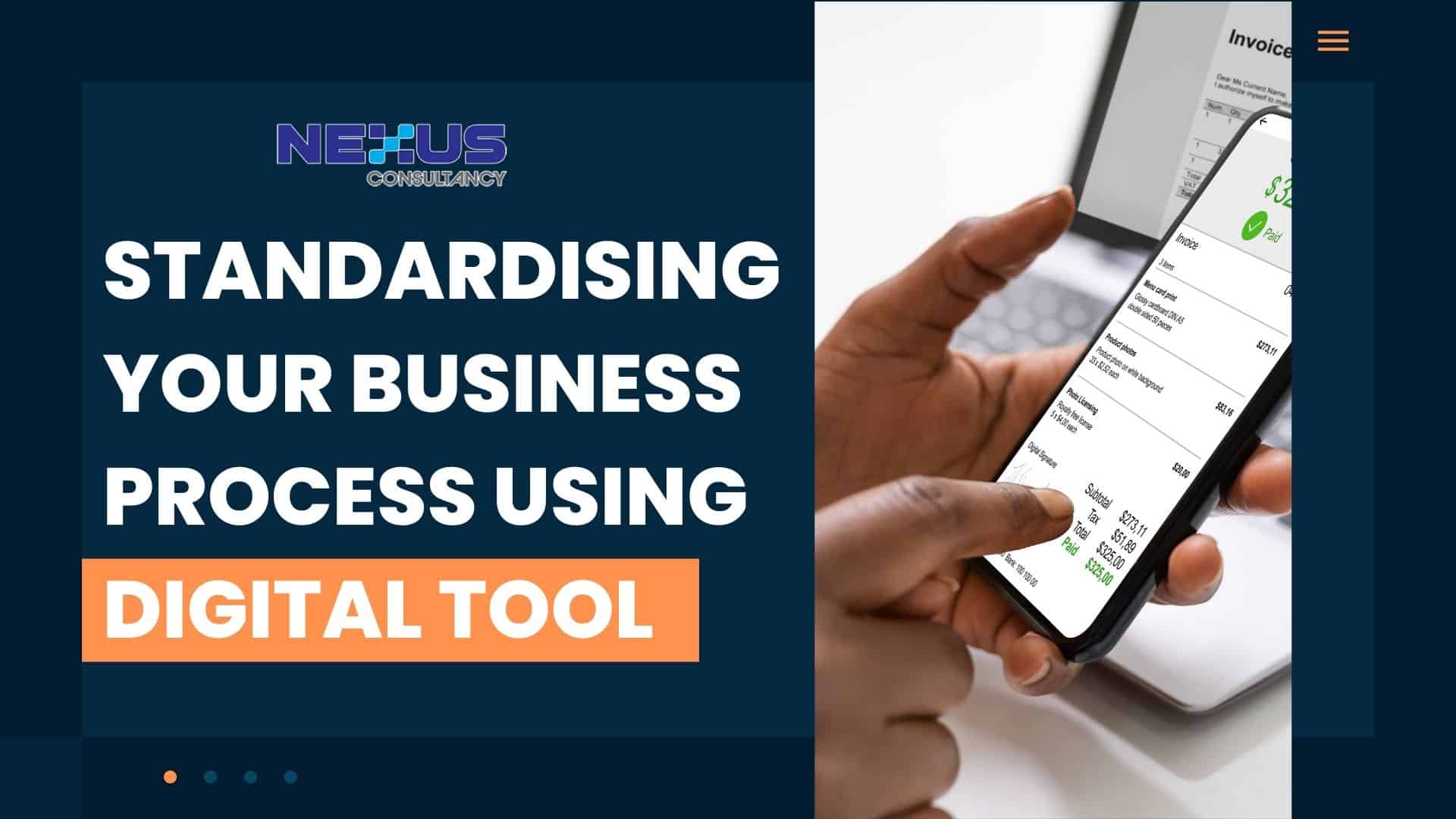
Every business owner wants to make the most of his or her resources. Aside from increasing profits, businesses strive to reduce the total cost of their operations. This is where standardized business processes come in; it can perform a variety of tasks without the business owner giving instruction for every single task. It assists businesses in reducing costs while also increasing productivity.
For some business owners, standardization can seem to be limiting organizational operation, but nothing could be further from true.
Standardized procedures and guidelines help to improve business efficiencies, and productivity, reducing errors and thus saving money. However, in the current digital economy, even having a set of guidelines is insufficient. As a result, in order to advance even further, businesses frequently implement systems such as enterprise resource planning systems (ERP).

What is Standardization?
Standardization is the process of establishing and implementing a set of standards for processes associated with the creation of a good or service.
Implementing an ERP system for standardization is frequently seen in manufacturing industries to ensure their goods meet their standards, but we are increasingly seeing ERP software implemented across industries such as professional services, hospitality, distribution, and so on to standardize their operations.
Modern ERP systems not only collect, store, and analyse data across departments, but they also allow you to align your business processes with industry-standard processes.

Why Do You Need Standardization?
Standardization helps to ensure the consistency of your products and services. Consistency is very important in customer experience and how you deliver your products and services. If the same products and services receive mixed feedback, often it is due to not standardized business procedures causing inconsistencies in your products or service, thus, harming your brand.
Typically, companies would request all-in-one business management solutions to meet their needs and business challenges. This solution not only helps to standardize their business procedures, but it also helps to centralize their operations, allowing for a 360-degree view of their business, improving collaboration, and lowering costs by reducing the number of different systems used by departments.

How does ERP Help in Standardization?
Every business is different, but that doesn’t make ERP standardization an obstacle to achieving your unique goals. However, it does mean that every business will have a different approach to ERP standardization and customization. Determining how to implement your software in accordance with the needs of your company will require a thorough analysis of business processes.
Let’s take an example of how a manufacturing company is using ERP systems to standardise their business processes. The software helps you follow manufacturing best practices and streamline operations. From reports, workflows, document processing, inventory management, purchasing, and supply chain to a wide range of business processes. The tasks that take the most amount of your time or where human errors commonly occur are the ones that being standardized and automated as a first.
Wrap Up
When using ERP to standardise procedures, flexibility should not be sacrificed. While an ERP system will require some workflow modifications, it will also provide you with the flexibility to grow sustainably. Our Nexus ERP+ Solution is designed accord with manufacturing best practices while providing flexibility. Nexus ERP+ supports configurations, simplifies customizations and provides user-friendly tools to ensure your software keeps up with changing business demands.
Reference:
- https://adynamics.com.my/blog/erp-system-standardize/
- https://blog.datixinc.com/blog/your-guide-to-understanding-erp-standardization
More Article
5 FSSC 22000 V7 Implementation Gaps Companies Should Check Now
Chief Operating OfficerReview your FSSC 22000 V7 transition priorities, identify implementation gaps and explore relevant consultancy or training support.If your organization is preparing for FSSC 22000 Version 7, five practical areas are worth checking now: your...

ISO 22002-100:2025 Is Now Part of FSSC 22000 V7: What Does Your PRP System Need to Change?
Chief Operating OfficerReview ISO 22002-100 and ISO 22002-1 PRP changes for FSSC 22000 V7, identify gaps, and prepare for your upgrade audit.If your food manufacturing organization is transitioning to FSSC 22000 Version 7, its prerequisite program (PRP) system needs...
Beyond Compliance: How Environmental Action Can Reduce Costs and Create Business Value
Chief Operating OfficerSee how practical environmental action can cut resource waste, improve efficiency, manage risk and strengthen customer value.Environmental action can reduce business costs by lowering energy and water use, preventing material losses, reducing...

Stop Measuring Everything: The Environmental Metrics That Actually Matter
Chief Operating OfficerIdentify which environmental metrics can help management understand significant impacts, interpret performance trends and decide what action should follow.The environmental metrics that matter most are those that show where significant impacts...