

Darren Tang
Director
Corruption is bad for society and bad for business, posing severe financial, operational and reputational risks. Now more than ever, companies are taking action to implement serious and effective anti-corruption measures and policies within their strategies and operations.
– 3 mins read

In the subset of governance criteria in Environmental, Social and Governance (ESG), organizations should prevent bribery from occurring. Bribery is a type of corruption. It is an illegal practice, in which an individual is induced to practice a certain act in exchange for some advantage, which is usually money, but it could also involve other benefits such as services or entertainment, paid holiday trips or material goods.
Bribery is bad for an organization, bad for business as well as bad for the society. It poses severe financial, operational and reputational risks. It is important for organization to take actions to establish and implement effective anti-bribery measures to prevent bribery from occurring. Let’s take a look at how an organization can do this.

1. Carry Out Bribery Risk Assessment
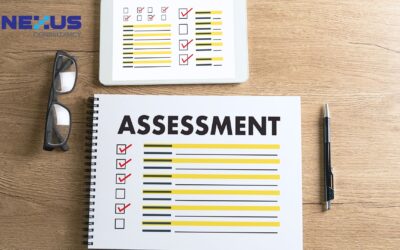
Establish and carry out bribery risk assessment to identify areas where bribery could occur (areas that have high potential or likely influence over operations and management of the organization, example areas with financial transactions, influence in procurement or awarding of contracts, influence on employment etc). Assess, measure and rank these bribery risk areas. For areas identified as having significant risks of bribery occurring, discuss and prepare a bribery prevention plan.

2. Develop anti-bribery policies and adequate procedures
Establish a set of anti-bribery policy and no gift policy applicable to your organisation, explaining what is bribery, risks of bribery, what is acceptable and not acceptable gifts. Organization should establish and implement adequate procedures which are relevant to the types of risks identified in the organization. Factors such as the size of the company, the nature of business, complexity of the organization’s activities, third party involvement etc. could affect the type of corruption risk and procedures required.

3. Educate workers to reject bribery
Educate all employees and associated persons to ensure they understand and aware of the anti-bribery policies and procedures in the organization. This can be achieved through regular trainings or creating awareness through circulation of the documentation. All employees and associated persons should also be well informed on the disciplinary measures that would be taken if someone is found guilty of it.

4. Establish a proper procedure for reporting, investigation and taking action
Establish proper channel for anyone (whistle-blower) who wish to report any concerns of attempted, suspected or actual bribery. All reasonable steps shall be taken to protect the whistle-blower, maintain the confidentiality and identity of the whistle-blower and report made by the whistle-blower. Proper investigation process shall be carried out, to resolve the issue and to take disciplinary measures where required.
Change is constant. The types of bribery risks which could affect the organization would also be constantly changing. Thus, always remember to regularly review your anti-bribery policies and procedures to ensure that they are still effective.
Feel free to contact us to learn more about ESG
More Article
5 FSSC 22000 V7 Implementation Gaps Companies Should Check Now
Chief Operating OfficerReview your FSSC 22000 V7 transition priorities, identify implementation gaps and explore relevant consultancy or training support.If your organization is preparing for FSSC 22000 Version 7, five practical areas are worth checking now: your...

ISO 22002-100:2025 Is Now Part of FSSC 22000 V7: What Does Your PRP System Need to Change?
Chief Operating OfficerReview ISO 22002-100 and ISO 22002-1 PRP changes for FSSC 22000 V7, identify gaps, and prepare for your upgrade audit.If your food manufacturing organization is transitioning to FSSC 22000 Version 7, its prerequisite program (PRP) system needs...

Beyond Compliance: How Environmental Action Can Reduce Costs and Create Business Value
Chief Operating OfficerSee how practical environmental action can cut resource waste, improve efficiency, manage risk and strengthen customer value.Environmental action can reduce business costs by lowering energy and water use, preventing material losses, reducing...

Stop Measuring Everything: The Environmental Metrics That Actually Matter
Chief Operating OfficerIdentify which environmental metrics can help management understand significant impacts, interpret performance trends and decide what action should follow.The environmental metrics that matter most are those that show where significant impacts...